
Quick Links

Principal Investigators

Sister Centers
Recent News
Seminars
Intranet
March '08 Minisymposium

Recent News & Publications

Spring 2009
Tat Acetylation Modulates Assembly of a Viral-Host RNA-Protein Transcription Complex, PNAS 106, 3101-6.

PDF of Article

Suberoylanilide Hydroxamic Acid Reactivates HIV from Latently Infected Cells, J. Biol. Chem., 284, 6872-9.

PDF of Article


Welcome to the HARC Center

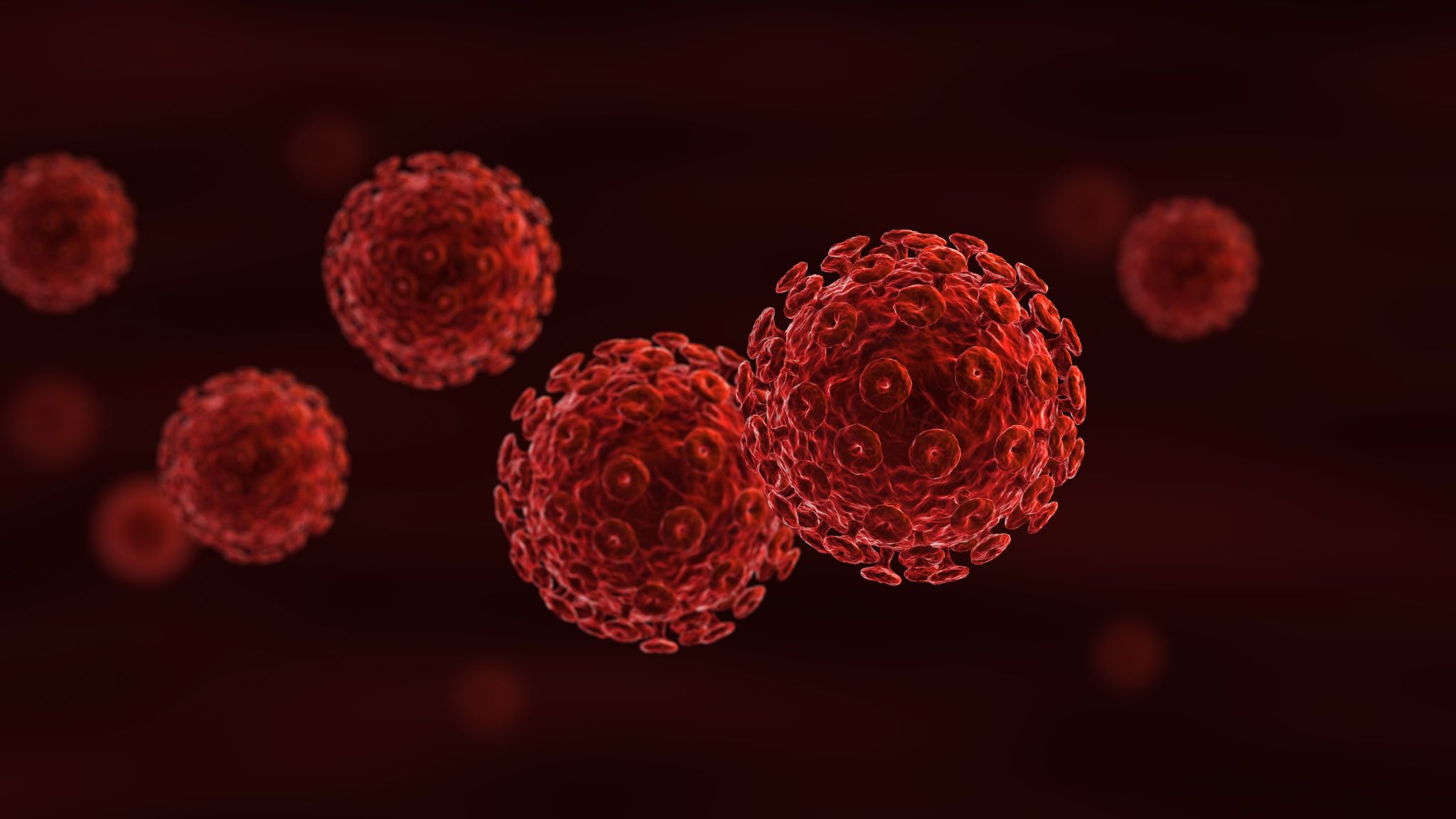
virus imageThe HARC Center is an interdisciplinary research center aimed at creating a comprehensive structural picture of interactions between HIV viral proteins and intracellular host molecules at early stages in the viral lifecycle. High-resolution structures of such complexes offer the potential for novel targeted drug design strategies in the treatment of AIDS.

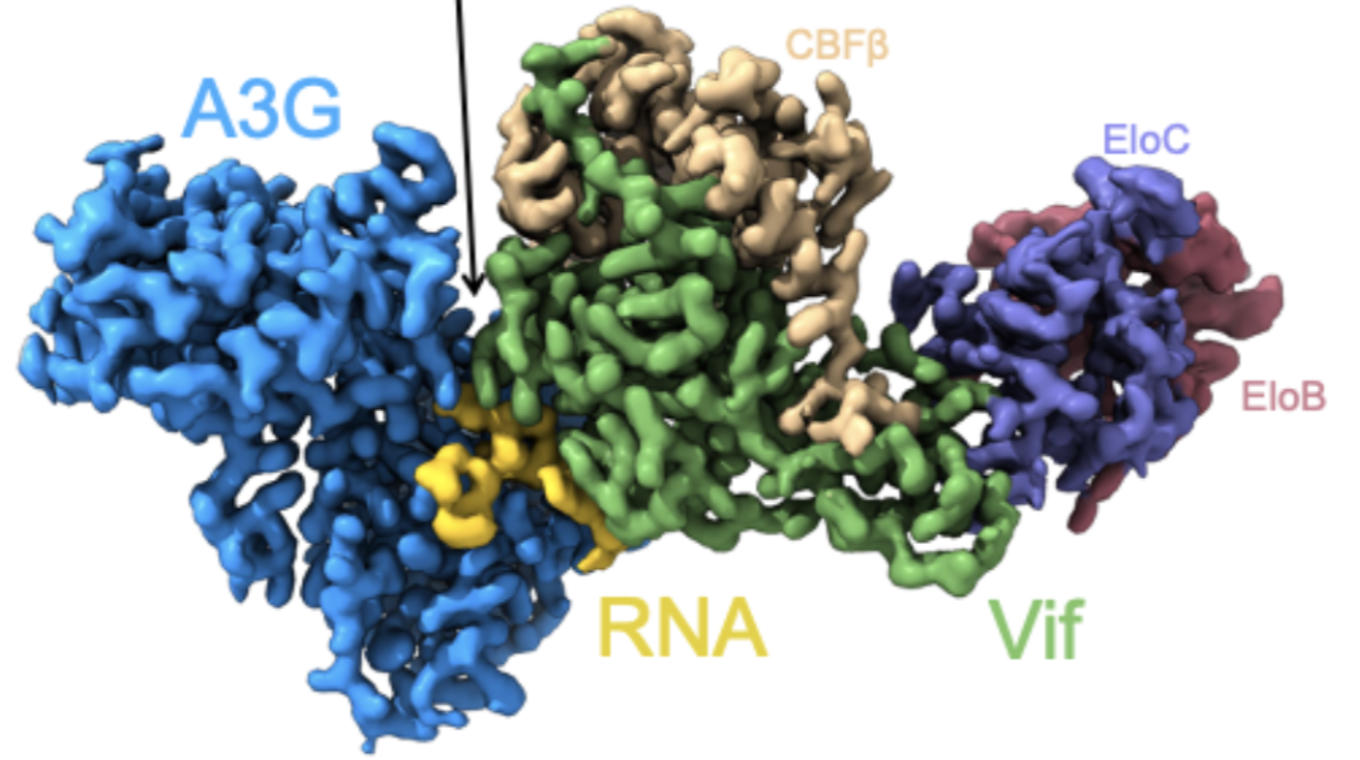
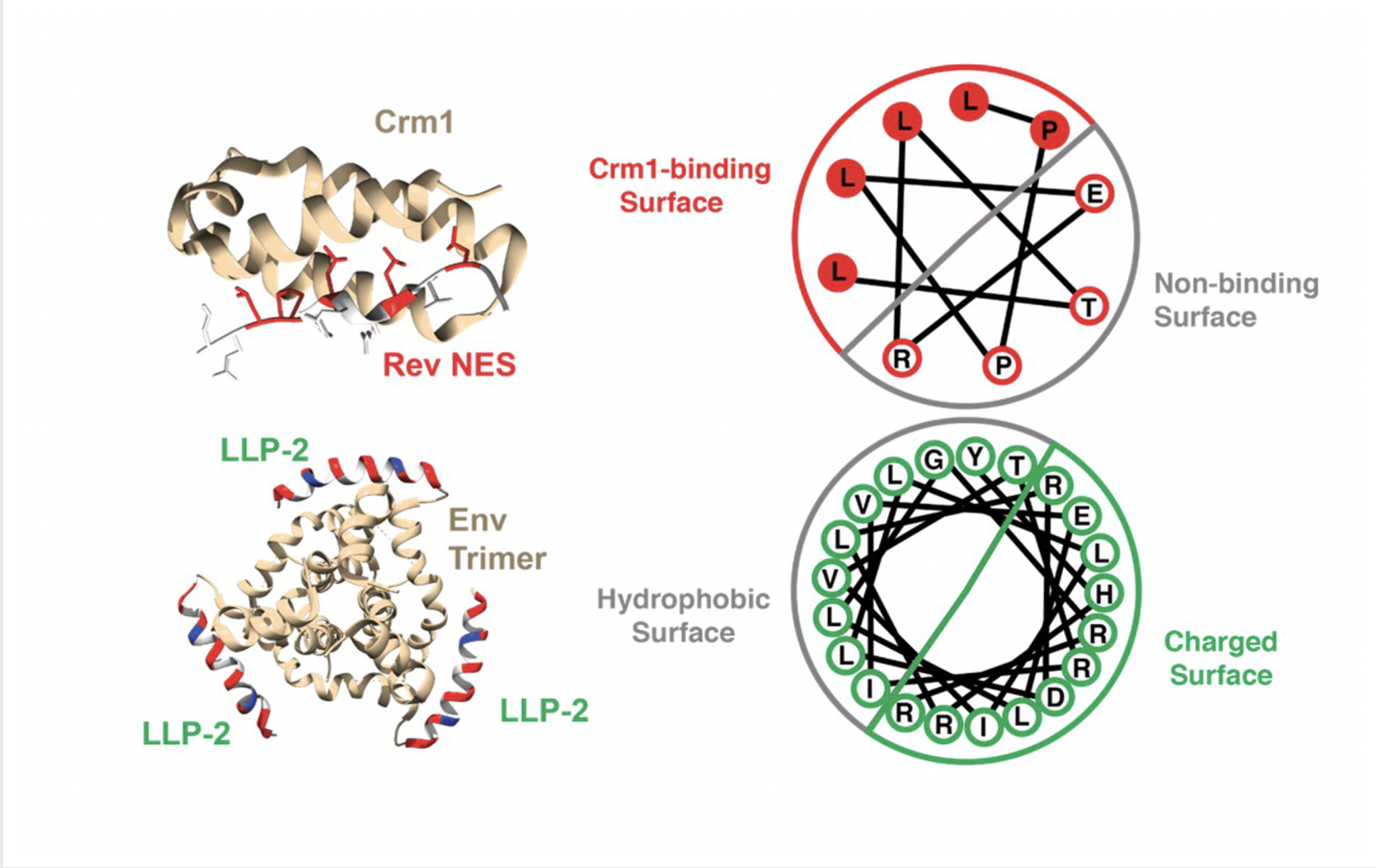
Throughout the HIV life cycle, viral-host complexes play an integral role in the biology of the virus. The HARC Center focuses on a subset of complexes involved in transmitting the viral genetic information (e.g. viral RNA to DNA to mRNA) during infection. Our major projects involve HIV accessory and regulatory proteins (Vif, IN, Tat and Rev) that interact with the host machinery and viral nucleic acids to affect key functions. We are also utilizing a proteomics approach to generate a comprehensive map of high quality, validated interactions for these proteins and others in the HIV genome.

The Center is comprised of researchers from nine different laboratories at UCSF and Berkeley, and is one of three Research Centers launched in 2007 by the National Institute of General Medical Sciences (NIGMS) and National Institute of Allergy and Infectious Diseases (NIAID), with the goal of gaining a deeper understanding of the structural biology of HIV. Members of the HARC Center provide expertise within a comprehensive range of biochemical, molecular biological and structural methods, including mass spectroscopy, x-ray crystallography, NMR and cryo-electron microscopy.

In conjunction with its research activities, the Center makes new methodologies, tools and databases available to the research community at large, and is active in creating new collaborations with outside investigators, including those carrying out associated R21/R33 projects.

University of California,
San Francisco © 2007-2009 All Rights Reserved